
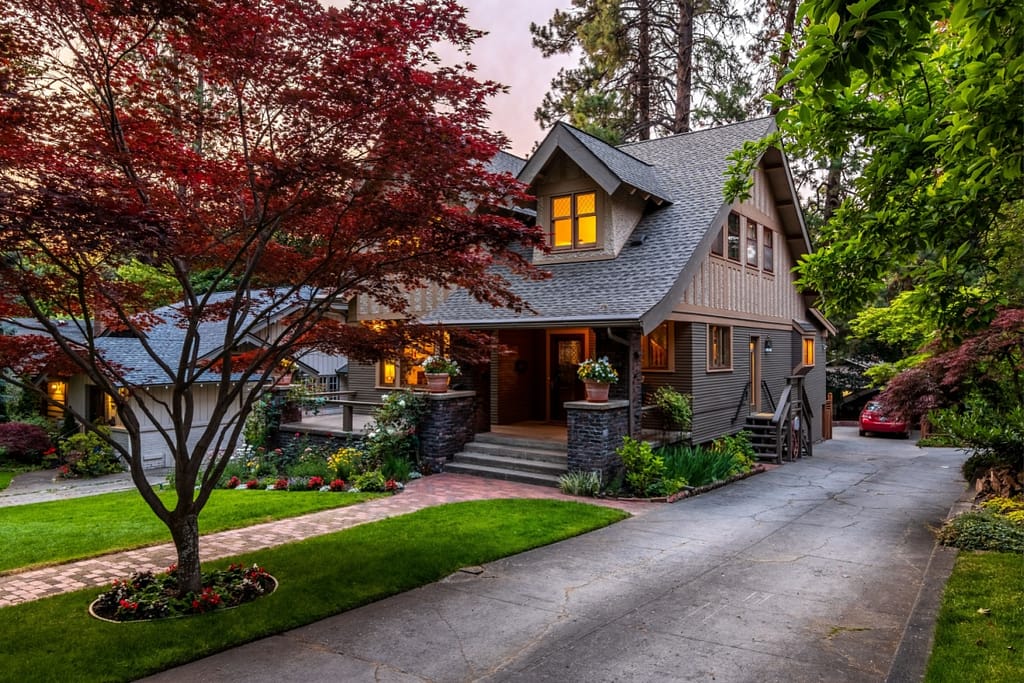
Spokane is not a one-size-fits-all market. Prices, pace, and buyer demand vary considerably from one part of the city to the next — and choosing the right neighborhood is just as important as choosing the right home. Mark Hein, a Spokane-area real estate agent with eXp Realty, works across the city and tracks local data at the neighborhood level. Here’s a breakdown of the areas worth paying close attention to in 2026.
South Hill: Established, Stable, and Consistently in Demand
South Hill is one of Spokane’s most sought-after residential areas, and for good reason. Tree-lined streets, proximity to Manito Park, well-kept homes, and strong resale history make it a reliable choice for buyers who want long-term value. Homes here tend to hold their value even when the broader market softens — which is exactly what’s been happening across parts of Spokane in recent months. South Hill doesn’t offer bargain prices, but it offers something arguably more valuable: consistency. For buyers prioritizing stability and quality of life, it remains one of the top options in the city.
Kendall Yards: Walkable, Modern, and Built for Urban Living
Kendall Yards is Spokane’s most prominent mixed-use development, sitting just north of the Spokane River with views of downtown. It attracts buyers who want walkability, proximity to restaurants and coffee shops, and a newer construction feel in an urban setting. The neighborhood has matured significantly over the past decade and continues to draw strong buyer interest. Inventory here is limited by design, which helps support prices even in a broader market that’s seen some softening. For buyers who want a low-maintenance, walkable lifestyle, Kendall Yards is worth a serious look.
North Spokane: The Value Play With Room to Grow
North Spokane covers a wide range of neighborhoods and price points, and it’s where buyers looking for more space at lower prices tend to land. Areas like Mead, Colbert, and Chattaroy fall within this broader zone and have seen more noticeable price softening over the past year — median prices in some pockets fell roughly 10% year-over-year heading into 2026. That’s not a red flag — it’s an opportunity for buyers who are willing to do their homework. Mark Hein notes that North Spokane offers some of the best value in the region right now for buyers who prioritize square footage and lot size over walkability and urban proximity. As the broader market stabilizes, these areas are well-positioned for modest appreciation.
Spokane Valley: Suburban Convenience With Strong Infrastructure
Spokane Valley sits just east of the city and functions as a self-contained community with its own retail corridors, parks, and employment base. It’s a practical choice for buyers who want suburban space without sacrificing access to amenities. Home prices here are generally more accessible than South Hill, and the area has maintained steady sales volume through the market shifts of the past year. Families and commuters both tend to gravitate toward the Valley for its mix of affordability and convenience.
The West Plains: Steady, Balanced, and Under the Radar
The West Plains — which includes Airway Heights and Medical Lake — is one of the quieter corners of the Spokane market, and that’s part of its appeal. Prices here have remained largely flat year-over-year, sales volume has stayed consistent, and inventory has hovered around a balanced level. It’s not a flashy area, but it’s a functional one, and for buyers who want to avoid the competition of more central neighborhoods, it represents a stable entry point into the Spokane market. Proximity to Fairchild Air Force Base also makes this area a consistent draw for military families and the broader workforce connected to the base.
Downtown Spokane: An Evolving Option for the Right Buyer
Downtown Spokane is not a traditional residential neighborhood, but it has grown as a place to live over the past several years, driven by condominium development and the broader trend toward urban living. Buyers drawn to Riverfront Park, the performing arts scene, and easy access to dining and entertainment will find options here — though inventory is more limited and property types differ from what you’d find in the residential neighborhoods above. It’s a niche choice, but the right one for a specific type of buyer.
How to Choose the Right Neighborhood for You
The best neighborhood in Spokane depends entirely on what you’re optimizing for. Budget, lifestyle, commute, and long-term investment goals all point toward different parts of the city. Mark Hein’s advice for buyers navigating this decision is clear: start with your non-negotiables, layer in the current market data for each area, and work with someone who knows the differences between these neighborhoods at a street level — not just from a map. Spokane is a city where local knowledge makes a measurable difference in the outcome of a home purchase.